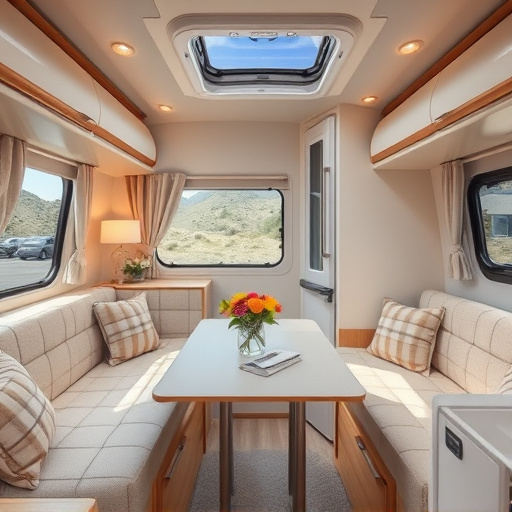
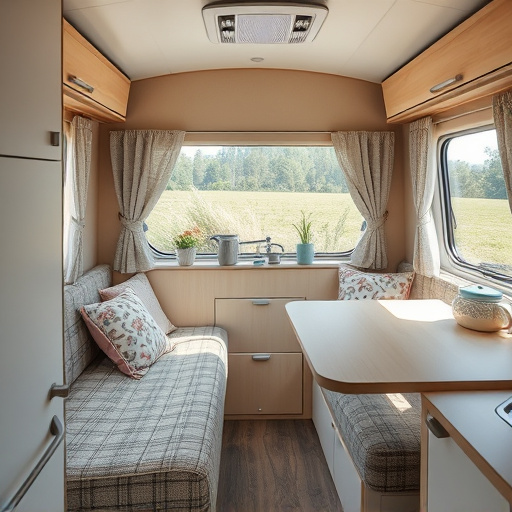
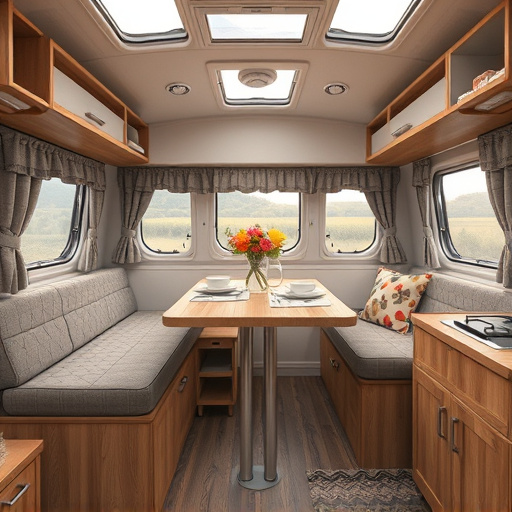
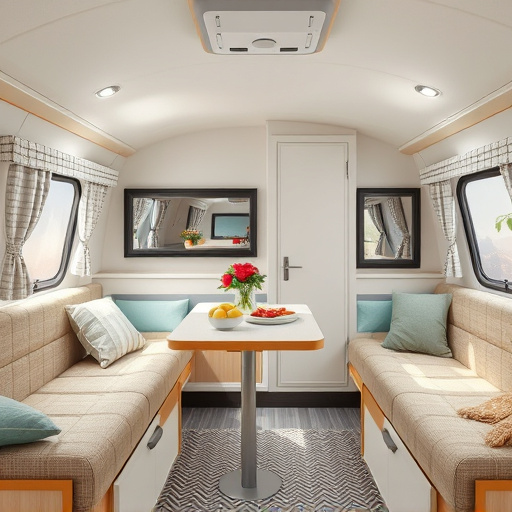
Welcome to an immersive journey into the world of Club Lounge Caravans—a revolutionary concept that has transformed leisure travel and hospitality. This article aims to demystify this dynamic phenomenon, offering a detailed exploration from its foundational elements to its global impact and future prospects. By delving into various aspects, we will uncover how Club Lounge Caravans redefine social gatherings, entertainment, and mobile living experiences.
Understanding Club Lounge Caravans
Definition and Core Components
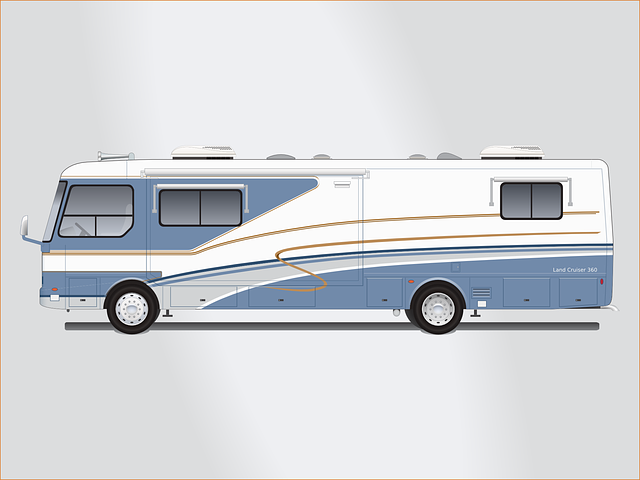
Club Lounge Caravans (CLCs) are luxurious, self-contained recreational vehicles designed to provide an elevated experience for travelers seeking comfort, style, and connectivity on the go. Each caravan is meticulously crafted with premium materials and features a fusion of modern amenities, entertainment options, and spacious living spaces. The core components include:
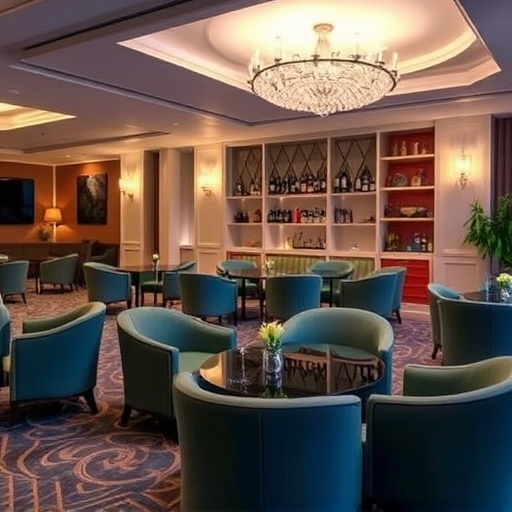
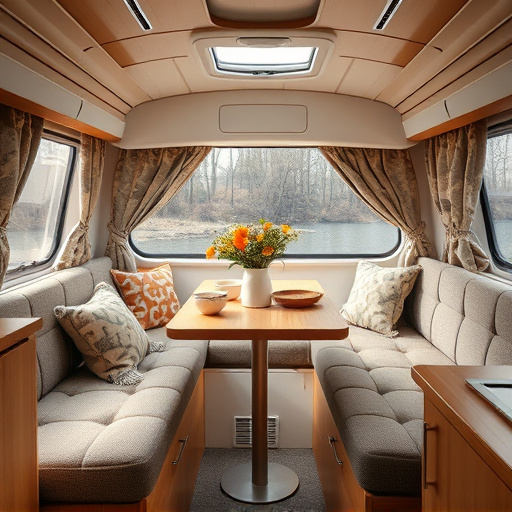
Luxury Interiors: CLCs boast elegant and sophisticated interiors, often incorporating high-end furnishings, plush bedding, and designer finishes.
Entertainment Systems: Advanced audio-visual systems, flat-screen TVs, and gaming consoles create an immersive entertainment hub within the caravan.
Mobile Connectivity: High-speed internet connectivity, Wi-Fi hotspots, and integrated communication systems ensure seamless digital access for travelers.
Spacious Layouts: Generous living areas, multiple sleeping compartments, and well-appointed kitchens cater to extended stays and comfortable gatherings.
Outdoor Living: Many CLCs feature outdoor entertainment spaces with BBQ stations, patio furniture, and panoramic windows, blurring the lines between indoor and outdoor experiences.
Historical Context and Significance
The concept of Club Lounge Caravans evolved from the merging of two distinct trends: luxury travel trailers and mobile entertainment hubs. In the early 2000s, as travel preferences shifted towards more immersive and experiential vacations, there was a growing demand for vehicles that could cater to elevated standards of comfort and style. The traditional travel trailer, while popular, often lacked modern amenities and entertainment options.
CLCs emerged as a game-changer, combining the convenience of mobility with premium lifestyle features. They quickly gained traction among affluent travelers, celebrities, and event organizers seeking unique experiences. Over time, CLCs have evolved to incorporate cutting-edge technology, sustainable practices, and diverse designs, solidifying their place in the luxury travel industry.
Global Impact and Trends
International Reach and Adoption
Club Lounge Caravans have transcended geographical boundaries, captivating audiences worldwide. Their popularity is evident across North America, Europe, and increasingly, Asia Pacific regions. Each region has embraced CLCs with unique cultural adaptations:
North America: Known for their luxurious builds and advanced technology, CLCs in the US and Canada cater to a discerning market with diverse preferences. Customization options and specialized features cater to outdoor enthusiasts, families, and corporate clients.
Europe: European CLCs often showcase sleek designs, compact living spaces, and efficient energy systems, reflecting the region’s focus on sustainability and modern aesthetics.
Asia Pacific: As luxury travel gains traction in countries like China, Japan, and Australia, CLCs are tailored to meet local tastes, incorporating cultural elements while maintaining international standards of quality.
Key Global Trends
Several global trends are shaping the future of Club Lounge Caravans:
Trend
Impact
Regional Examples
Customization and Personalization: Travelers seek unique, tailored experiences. CLC manufacturers offer customizable options, allowing owners to personalize interiors, amenities, and entertainment systems.
Enhanced customer satisfaction and brand loyalty.
North American caravan builders offer extensive customization packages, while European designers focus on modular interiors for flexible living spaces.
Sustainability and Green Technologies: Environmental consciousness drives the adoption of eco-friendly materials, energy-efficient systems, and renewable energy solutions.
Appeals to environmentally conscious travelers and supports sustainable tourism initiatives.
Australian CLC manufacturers incorporate solar panels and battery storage systems, while European models feature advanced insulation and waste management systems.
Connectivity and Digital Integration: The demand for seamless digital access drives the integration of high-speed internet, smart home technologies, and interactive entertainment systems.
Enhances communication, productivity, and entertainment options during travel.
European CLCs often come equipped with integrated 5G connectivity and smart home hubs, while North American models offer advanced satellite internet solutions.
Compact Living and Space Optimization: Urbanization and space constraints inspire efficient design strategies, focusing on maximizing living spaces and functionality.
Appeals to those seeking versatile and compact travel solutions without compromising comfort.
Japanese CLCs are renowned for their space-saving designs, featuring retractable furniture and modular compartments, while European models offer innovative storage solutions.
Economic Considerations
Market Dynamics and Investment Patterns
The Club Lounge Caravan market exhibits a growing trend, with increasing demand from both private individuals and corporate entities. According to industry reports, the global CLC market size was valued at USD 1.2 billion in 2021 and is projected to grow at a CAGR of 7% from 2022 to 2030. Key factors driving this growth include:
Affluent Traveler Market: Rising disposable incomes and a preference for experiential travel fuel the demand for premium travel experiences, including CLCs.
Corporate Events and Promotions: Businesses invest in CLCs for team-building retreats, client entertainment, and exclusive brand experiences, leveraging their versatility and luxury appeal.
Rental and Sharing Economy: The sharing economy has opened new avenues, with some travelers opting to rent or share CLCs, expanding the market reach and accessibility.
Economic Impact and Role in Systems
CLCs have a significant economic impact on various sectors:
Tourism and Hospitality: They contribute to the tourism industry by attracting visitors seeking unique accommodation options, boosting local economies and supporting hospitality infrastructure.
Manufacturing and Supply Chain: The production and maintenance of CLCs drive economic activity in manufacturing hubs, creating jobs and fostering innovation.
Real Estate: Customized CLC builds can serve as alternative investments for real estate enthusiasts, offering potential returns and flexible living solutions.
Event Management: Corporate events, music festivals, and experiential marketing campaigns benefit from CLCs as mobile event venues, enhancing brand engagement and customer experiences.
Technological Advancements
Innovations Shaping the Future of CLCs
Technology plays a pivotal role in transforming Club Lounge Caravans into highly advanced travel companions. Notable advancements include:
Smart Home Automation: Voice control systems, automated lighting, and climate control integrate seamlessly with CLC interiors, offering convenience and energy efficiency.
Internet of Things (IoT): IoT devices enable remote monitoring and control of various caravan systems, from entertainment to security features, enhancing safety and accessibility.
Virtual Reality (VR) and Augmented Reality (AR): VR headsets and AR applications provide immersive experiences for entertainment, education, or gaming, elevating the overall CLC experience.
Renewable Energy Systems: Solar panels, wind turbines, and advanced battery storage systems power CLCs with clean energy, reducing environmental impact and operational costs.
Telematics and GPS Tracking: Built-in tracking systems provide real-time location data and vehicle diagnostics, ensuring safety, security, and efficient fleet management for rental companies.
Future Potential and Applications
The fusion of technology and design in CLCs opens up exciting possibilities:
Personalized Travel Experiences: AI-driven recommendation engines can suggest customized itineraries, local attractions, and entertainment options based on individual preferences.
Remote Work and Digital Nomadism: High-speed internet connectivity enables remote work capabilities, attracting digital nomads seeking luxurious mobile offices with all the necessary amenities.
Interactive Entertainment Hubs: Advanced AV systems, gaming consoles, and VR/AR experiences create immersive entertainment spaces for families, groups, or event organizers.
Sustainable Tourism Solutions: CLCs equipped with renewable energy systems can support sustainable tourism initiatives, reducing carbon footprints during travel.
Policy and Regulation
Key Policies and Legislative Frameworks
The regulation of Club Lounge Caravans varies across jurisdictions, reflecting local laws, safety standards, and market considerations. Several key policies and regulatory frameworks shape the industry:
Vehicle Safety Standards: Governments establish guidelines for structural integrity, fire safety, electrical systems, and collision protection to ensure passenger safety.
Emission Controls: Regulations target carbon emissions, promoting the adoption of cleaner energy sources and efficient technologies in CLCs.
Licensing and Registration: Authorities require proper licensing and registration for caravan ownership, ensuring compliance with local laws and facilitating vehicle tracking.
Insurance Requirements: CLC owners are mandated to carry specific insurance policies covering liability, property damage, and personal injuries associated with their vehicles.
Environmental Protection: Regulations may include waste management guidelines, promoting responsible disposal of waste generated during travel.
Impact on Development and Business Practices
These policies influence the development and business practices within the CLC industry:
Safety Standards Compliance: Manufacturers must adhere to stringent safety regulations, leading to the integration of advanced safety features and materials in CLC designs.
Regulatory Compliance for Rental Operations: Rental companies must navigate local laws regarding vehicle registration, insurance, and licensing, impacting their business models and pricing strategies.
Innovation and Technology Integration: Regulatory requirements drive innovation, encouraging manufacturers to incorporate advanced technologies that meet or exceed safety standards.
Cross-Border Trade Considerations: International trade agreements and customs regulations impact the import/export of CLCs, influencing global market dynamics.
Challenges and Criticisms
Overcoming Obstacles
Despite their allure, Club Lounge Caravans face several challenges and criticisms:
High Purchase and Maintenance Costs: Premium pricing and ongoing maintenance expenses can be prohibitive for some travelers, limiting accessibility.
Limited Space and Mobility: While CLCs offer luxurious living, they may not accommodate larger groups or have the same mobility as traditional vehicles.
Environmental Concerns: Despite sustainable advancements, there are perceptions of environmental impact due to energy consumption and waste generation during travel.
Regulatory Compliance and Variability: Navigating varying regulations across regions can be complex for rental companies and manufacturers, leading to compliance challenges.
Strategies for Addressing Issues
Proactive strategies can help mitigate these challenges:
Affordability and Rental Options: Offering flexible rental packages, used CLC marketplaces, and leasing programs can make CLCs more accessible to a broader audience.
Modular Designs and Customization: Incorporating modular interiors allows for versatile configurations, catering to diverse group sizes and preferences.
Sustainable Initiatives: Continuous innovation in renewable energy systems and efficient designs can minimize environmental impact and address concerns.
Standardized Regulations and Collaboration: Industry stakeholders can collaborate with regulatory bodies to establish uniform standards, simplifying compliance processes.
Case Studies: Successful Applications of CLCs
1. Corporate Retreats and Team Building
A global technology company organized an exclusive CLC retreat for their executives and employees. Custom-designed CLCs with interactive gaming zones, collaboration spaces, and luxurious accommodations facilitated team bonding and strategic planning sessions. The event fostered creativity, enhanced communication, and strengthened the company culture, leading to improved productivity and innovation.
2. Sustainable Music Festivals
An environmental advocacy group partnered with a CLC manufacturer to create eco-friendly mobile venues for music festivals. Solar-powered CLCs housed sustainable stages, food courts, and accommodation areas, providing an immersive festival experience while minimizing carbon footprints. The event attracted environmentally conscious attendees, generating awareness and funds for conservation initiatives.
3. Luxury Travel and Experiential Marketing
A luxury travel agency introduced a series of exclusive CLC tours, offering travelers the chance to explore remote destinations in comfort. These bespoke itineraries included access to private events, guided experiences, and unique accommodations, creating unforgettable memories. The success of these trips led to partnerships with luxury brands, enhancing their marketing strategies through immersive experiential campaigns.
Future Prospects: Trends and Growth Areas
Emerging Markets and Regional Growth
The global CLC market is poised for significant expansion in several regions:
Asia Pacific: With the rise of affluent travelers and a growing middle class, Asia Pacific is expected to witness rapid growth, driven by customized designs catering to local tastes.
Middle East: The region’s luxury travel sector is thriving, presenting opportunities for CLC manufacturers to cater to high-end clients seeking unique experiences.
South America: Emerging economies in South America offer untapped potential, with increasing disposable incomes fueling demand for premium travel solutions.
Growth Areas and Opportunities:
Customized Luxury Experiences: Personalization will remain a key trend, with travelers seeking bespoke CLC designs tailored to their preferences and lifestyles.
Sustainable and Eco-Friendly Designs: The push for sustainability will drive innovation in renewable energy systems, efficient materials, and waste management solutions.
Digital Integration and Smart Homes: Advanced IoT, smart home technologies, and seamless connectivity will enhance the digital experience within CLCs.
Remote Work and Digital Nomadism: As remote work becomes more prevalent, CLCs equipped for mobile offices will cater to digital nomads seeking luxurious mobility.
Experiential Marketing and Brand Partnerships: CLCs will continue to be sought after for experiential marketing campaigns, brand events, and exclusive promotions.
Conclusion: A New Era of Mobile Luxury
Summary and Key Takeaways
Club Lounge Caravans have evolved from niche concepts to transformative forces in the travel and hospitality industry. This article has explored their definition, historical context, global impact, economic considerations, technological advancements, policy frameworks, challenges, and successful applications. By addressing these aspects, we’ve uncovered the multifaceted nature of CLCs and their potential to revolutionize leisure travel.
Key insights include:
CLCs offer elevated luxury, comfort, and entertainment experiences in a mobile format, catering to diverse traveler needs.
Global trends drive customization, sustainability, connectivity, and space optimization in CLC designs.
Economic considerations highlight the market’s growth, impact on tourism, and opportunities for various sectors.
Technological advancements enable personalized experiences, remote work solutions, and sustainable travel practices.
Navigating policies and regulations is crucial for manufacturers, rental companies, and users to ensure safe and responsible development.
FAQ Section: Answering Common Queries
Q: What sets Club Lounge Caravans apart from traditional recreational vehicles?
A: CLCs differentiate themselves through luxurious interiors, advanced entertainment systems, mobile connectivity, and attention to detail in design and craftsmanship. They offer a blend of comfort, style, and technology not commonly found in standard RVs.
Q: Are Club Lounge Caravans suitable for families?
A: Absolutely! Many CLC manufacturers design models with family-friendly features, including multiple sleeping areas, well-equipped kitchens, and interactive entertainment systems. Customization options allow families to tailor the caravan to their specific needs and preferences.
Q: How do I go about renting a Club Lounge Caravan for my next trip?
A: Rental companies specializing in CLCs offer various packages and pricing options. You can search online, compare rates, and book your desired caravan through reputable rental platforms or directly with manufacturers.
Q: What are some environmental considerations when using Club Lounge Caravans?
A: While CLCs contribute to carbon footprints during travel, many manufacturers are embracing sustainability by incorporating solar panels, efficient lighting, and advanced battery storage systems. Eco-conscious travelers can choose CLCs with these features to minimize their environmental impact.
Q: Can I customize my Club Lounge Caravan to match my personal style?
A: Yes! Customization is a significant aspect of CLC design. From interior themes to exterior graphics, manufacturers work closely with clients to create unique and personalized caravans that reflect individual tastes and lifestyles.
When buying a Club Lounge Caravan from Off Track RV in Epping, VIC, Australia, prioritize understanding their comprehensive warranties. The standard warranty covers structural components for 2 years and appliances for 1 year, with extended optio…….
Experience luxurious RV living with Off Track RV's exclusive Club Lounge Caravans, blending modern design and ample space. These mobile homes cater to families, couples, or friends seeking comfort and style in off-grid adventures across Aus…….
Off Track RV in Victoria offers luxurious Club Lounge Caravans with modern amenities for discerning travelers. Prospective buyers can explore detailed brochures online or contact +61 3 9970 1111. The website allows filtering options to find spec…….
Explore Australia's breathtaking Outback in style with Off Track RV caravans—your key to untouched beauty. These modern, luxurious mobile retreats blend adventure and comfort, offering spacious interiors, state-of-the-art amenities, a…….
Off Track RV in Epping, VIC offers premium Club Lounge Caravans—luxurious, aluminium-framed caravans designed for off-road adventures. With a focus on durability and modern amenities, these caravans cater to outdoor enthusiasts seeking com…….
Off Track RV in Epping, VIC, Australia, offers luxurious club lounge caravans with private ensuite bathrooms for an elevated camping experience. Their vehicles cater to seasoned travelers and beginners, providing modern amenities and innovative…….
Off Track RV in Epping, VIC, offers Club Lounge Caravans—luxury mobile retreats designed for family adventures. These spacious caravans blend outdoor exploration with home comforts, featuring modern amenities and sleek designs. Ideal for w…….
Off Track RV in Epping, VIC offers customizable club lounge caravans for unique, personalized camping experiences. With adaptable layouts and modern amenities, their mobile homes cater to romantic retreats or group adventures. Located at 21 Gray…….
Off Track RV Victoria offers Club Lounge Caravans with ALKO-tested suspension, ensuring a safe and comfortable off-road experience. These caravans are spacious, feature modern amenities, and handle diverse terrains effortlessly. With expert advi…….
Off Track RV in Epping, Victoria offers hybrid club lounge caravans—a revolutionary blend of luxury living and adventurous exploration. Located at 21 Graystone Ct, these modern RVs boast spacious interiors with premium finishes, combining…….
Off Track RV in Epping, VIC (21 Graystone Ct), offers luxurious club lounge caravans that redefine mobile living. With interiors akin to five-star hotels, these caravans provide comfort and style for unforgettable travel experiences. Their state…….
Off Track RV offers customizable club lounge caravans that blend luxury, portability, and adventure. With expert craftsmanship, cutting-edge technology, and top-tier materials sourced locally from their Epping, VIC base, they create bespoke mobi…….
Off Track RV in Victoria specializes in servicing and repairing Club Lounge Caravans, offering tailored packages for routine maintenance and specialized repairs. Located at 21 Graystone Ct, Epping VIC 3076, Australia, they provide expert care wi…….
Experience luxurious RV living with Club Lounge Caravans from Off Track RV – Caravan Sales Victoria. Our showroom at 21 Graystone Ct, Epping VIC 3076 offers a diverse range of top-quality used models suitable for every need. With expert guidance…….
Off Track RV in Epping, Victoria, specializes in crafting high-end Club Lounge Caravans. Their expert team offers customizable options for luxurious living spaces, state-of-the-art amenities, and smart home technology. With premium materials and…….
Off Track RV in Epping, VIC, is Australia's leading specialist dealer for luxury club lounge caravans. They offer a premium experience, catering to adventurous souls seeking both mobility and style. With expert advice, a vast selection of h…….
Off Track RV's Club Lounge Caravans offer a unique blend of luxury and adventure for outdoor enthusiasts. These single-axle marvels feature spacious interiors, modern amenities, and exceptional mobility, catering to both seasoned campers an…….
Off Track RV in Epping, Victoria, offers luxurious Club Lounge Caravans for sale, providing a unique and sophisticated RV experience. These caravans boast spacious interiors, elegant furnishings, and high-end finishes, ideal for comfortable trav…….
Off Track RV in Epping, VIC, Australia, introduces luxurious Club Lounge Caravans designed for modern adventurers. These caravans offer spacious interiors, elegant finishes, state-of-the-art appliances, and cozy bedrooms, catering to seasoned tr…….